
AI has changed how much SEO and content work I can complete myself. Projects move faster, and I have less need to outsource parts of the work. That gives me more flexibility in how I deliver a project and where I bring in additional support.
That flexibility depends on knowing the work well enough to judge the result. AI can produce a convincing answer, but recognising what is missing still requires experience.
For a solopreneur, this changes the practical limits of a working day. More of a project can stay with the owner, who decides how to use that capacity and where another person’s expertise is needed.
The adoption studies below suggest that this experience forms part of a wider shift in independent work. They also raise a useful question: does AI simply make existing businesses easier to run, or is it encouraging more people to start their own?
What is a solopreneur, and why choose to stay small?
A solopreneur owns and runs a business without building a permanent team of employees. That business might provide consulting, creative services or specialist advice, or sell products through an online store. Some solopreneurs work directly on every customer project; others build products and systems that serve many customers.
Working this way still leaves room for collaboration. A solo owner can hire a designer, work with an accountant or bring in a language specialist. They remain responsible for the business while choosing the support each situation needs.
In Company of One, Paul Jarvis explores the value of deliberately staying small. That idea provides a useful way to consider AI: greater capacity can help an owner sustain the kind of business they want to run, without making a larger team the next inevitable step.
For a solopreneur, success might mean stronger customer relationships, more control over the working week or enough income from a manageable number of projects. Hiring employees and expanding revenue can be worthwhile goals, but they are choices rather than obligations.
The difficulty is that a small business still has many responsibilities. Customer delivery sits alongside sales, marketing, research and administration. Even an experienced professional can find these competing demands hard to manage.
AI becomes relevant because it can assist with parts of that workload. If the owner can complete those parts more efficiently, staying small may become easier to sustain.

Are more solopreneurs using AI? What the data shows
According to MBO Partners’ research, generative AI has become increasingly common in US independent work. The chart shows the change over successive surveys. This group includes freelancers, contractors and other self-employed people, so it is broader than solo business owners alone.
What growing adoption tells us
Gusto’s research into new solopreneurs gives a more direct view of solo businesses. Its survey covered 1,011 owners of businesses started in 2024 on its platform, with solo founders defined as having no W-2 employees. The finding shown above suggests AI was already part of the launch process for many respondents.
In its 2026 New Business Formation Report, Gusto examines a broader group of founders, including employers. Their responses point mainly to easier and less expensive starts. Relatively few said their business would probably not have existed without AI. Those are different outcomes: helping someone act on a plan is not the same as creating the ambition to become an entrepreneur.
The wider business trend also predates generative AI. According to the US Census Bureau, nonemployer establishments grew by 2.1% in 2023, continuing an established pattern. This category includes some partnerships and corporations as well as individual businesses.
The evidence supports growing adoption among independent workers and use by many new solo founders. It does not tell us how many additional solopreneurs AI has created. These US findings offer context for the changing way people work; they are not a measure of adoption in Hong Kong or worldwide.

How AI changes what one person can deliver
Running a solo business often means moving between different kinds of work throughout the day. A consultant might prepare a proposal in the morning, deliver client work in the afternoon and update their website when time allows. Each responsibility calls for different information and a different way of thinking.
AI can help with the preparation and production that sit between these responsibilities. For a solo owner, reducing that work can leave more attention for the project itself and the customer waiting for it.
Research and preparation become more manageable
Research can involve sorting through notes, identifying questions and turning scattered information into a useful structure. AI can help organise supplied material, compare themes and prepare an initial outline.
For a solo owner, that can make it easier to begin work that otherwise keeps slipping behind paid delivery. The owner still needs reliable sources and a clear understanding of the customer’s problem. AI can organise the material, but it cannot make an unsupported claim trustworthy simply by expressing it well.
Original work can reach more customers
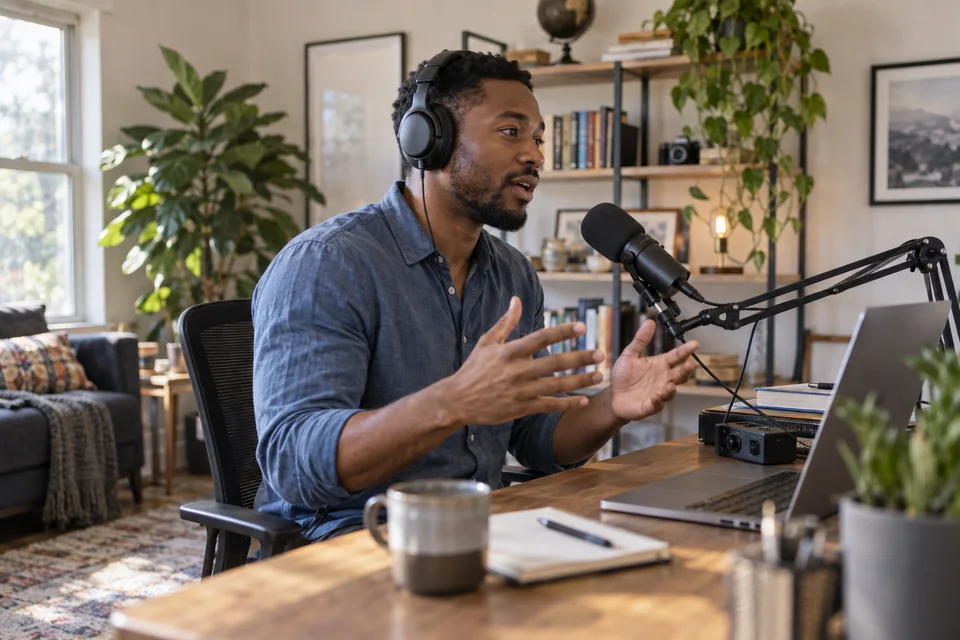
A business owner’s experience can inform an article, a proposal, an email and several social posts. AI can help adapt that original material for different platforms, giving the owner more ways to explain their services and ideas.
The valuable starting point is the owner’s knowledge. Without a specific observation, useful example or clear position, producing more content can leave the business saying the same general things as everyone else.
More of the delivery process can stay with the owner
Drafting project documents, organising product information and preparing customer replies are examples of work AI can support. An ecommerce owner could use verified product details to prepare descriptions, while a consultant could develop a proposal from an agreed service scope.
When the owner can check the output confidently, more production may stay within the business. Specialist contributions can then be commissioned where they improve the result. The balance will differ between a consultant selling expertise and a shop managing products, orders and customer enquiries.

My experience: faster SEO and content work, with expert support where it matters
However, understanding what I am doing remains essential. I need to know whether the output answers the brief, whether the information makes sense and whether the writing is suitable for its audience. Without that understanding, it becomes difficult to control quality.
In my experience with the AI models I have used, Cantonese writing remains a comparatively weak area. As a native Cantonese speaker and an editor, I can review the output and improve it. That includes judging whether the language sounds natural, whether the wording suits the context and whether the intended meaning comes across properly.
A piece of writing can appear complete while still requiring substantial editorial attention. Fluency on the surface does not necessarily mean the voice, register or expression is right for the reader. My language and editorial experience helps me recognise those problems and make the necessary changes.
This affects how I think about outsourcing. AI gives me more capacity, but I still want the right expertise involved. The decision depends on what I can confidently review and where a specialist adds something I cannot provide myself.
According to Gusto’s solo-founder survey, 34% hired at least one contractor in their first year. Working independently can include a network of specialists from the beginning, with the owner deciding how their contributions fit the project.
I judge that balance by the finished work. If I can review it properly, AI gives me room to handle more myself. Where I need another person’s expertise, bringing them in is part of delivering the project well.

Five tips for AI solopreneurs
1. Build a stable and effective workflow
A useful workflow gives you a repeatable way to move from a brief to finished work. Decide what information AI needs, what you want it to produce and where you will review the result.
Keep approved examples, clear instructions and relevant source material together. When something works well, make it easier to repeat. When the same mistake appears regularly, improve the instructions or change that part of the process. A dependable method saves you from reconstructing the job every time.
2. Stay flexible and outsource when you need to
Being a solopreneur does not require you to do everything yourself. Bring in a specialist when the work calls for knowledge, judgement or capacity you cannot confidently provide.
My approach to Japanese content is one example. AI may assist the work, but local language expertise remains valuable. Make outsourcing decisions around the quality and needs of the project. Keeping a small network of trusted collaborators gives you options when a brief becomes more demanding.
3. Keep learning about AI and your own field
Learn how to use AI, but continue developing the subject knowledge that allows you to evaluate its output. Better instructions help; knowing what a good result looks like matters just as much.
Experiment with relevant capabilities and pay attention to recurring weaknesses. You do not need to follow every product announcement. Focus your learning on the work you deliver and the problems your customers need you to solve.
4. Make quality review part of delivery
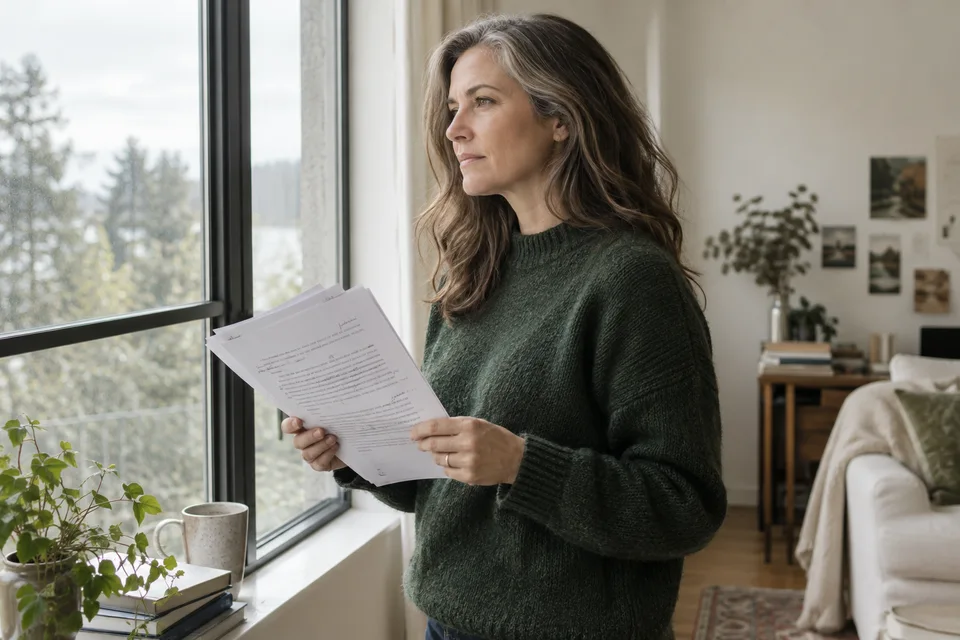
Decide what needs checking before work reaches a customer. That might include source accuracy, calculations, language, product details or alignment with the agreed brief.
Give review a clear place in the workflow, rather than leaving it until you happen to notice something wrong. When you cannot evaluate an important part of the output yourself, involve someone who can. Customers receive the finished work from your business, so your standard should guide what gets delivered.
5. Protect time for customers and your own ideas
Use the capacity AI creates to strengthen the parts of the business that depend on you. Listen to customers, develop your point of view and improve how you explain and deliver your services.
It is easy to fill saved time with more production. A solopreneur also needs room to think about which work is worth doing. The company of one becomes more capable when its owner can combine efficient delivery with personal attention, useful expertise and a clear sense of direction.
Grow your business with SEO and content
I help you plan and create content that answers your customers’ questions and makes your business easier to find online.
Explore content services